I remember being a little girl and seeing an actress on screen. I can’t tell you who she was, only that she wore a silken cream dress, and her blonde hair was pinned into something impossibly composed. She wasn’t just beautiful—she was contained. Effortless. Cool in a way that felt like safety.
Something in me absorbed her like a rule I didn’t know I was learning.
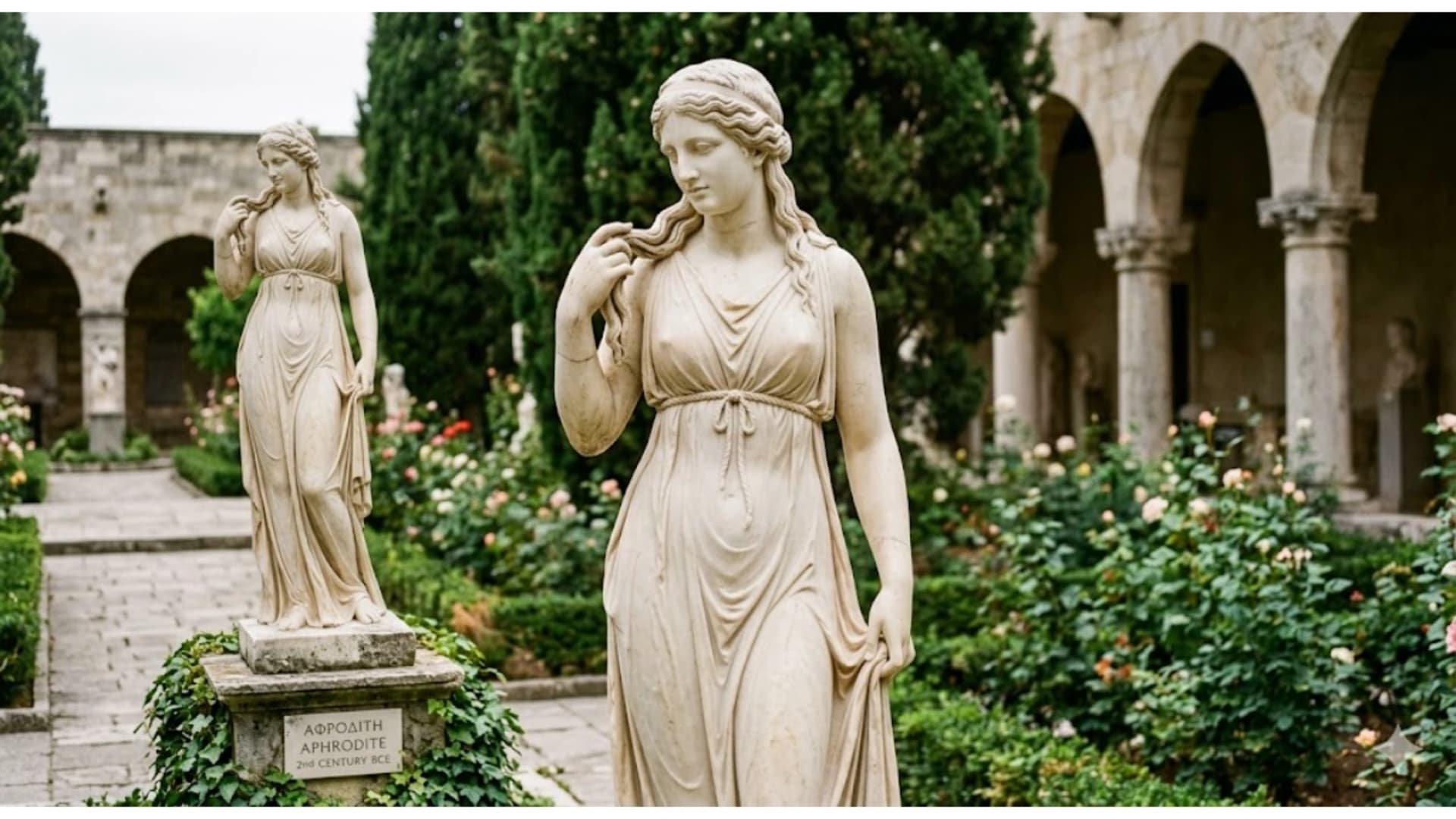
I wanted to become that kind of woman: elegant, intelligent, untouchable. The kind who moves through rooms like she already understands them. The kind people notice, but don’t interrupt. Powerful, but never messy.
Looking back, I think I fixated on her because my own world had so little stability. I grew up low-income, bullied, emotionally exposed in a way I didn’t have language for yet. I was sensitive, loud, reactive—too visible in the wrong ways. I didn’t feel protected by my own personality.
So I built a counter-image.
If I could become her, maybe I would finally be safe.
At first, it looked like improvement. I learned how to present myself differently. I studied tone, posture, aesthetics, composure. I followed etiquette influencers, sophistication coaches—people who promised that refinement was a kind of control. That if I could just become more deliberate, more polished, more “together,” life would stop feeling so unpredictable.
There was a promise underneath all of it: make yourself beautiful, and you will have safety.
And I believed it—not as a conscious decision, but as a quiet logic running underneath everything else.
But control didn’t create safety. It created tension.
The more I tried to become her, the less I was me—it was like watching a person die while still alive.
At first, the change was almost invisible. Just subtle edits. Less spontaneity. More monitoring. Anger arriving later than it should. Laughter requiring permission. Even my inner life began to feel curated, as if I was always being perceived, even alone.
I thought I was becoming composed.
Really, I was becoming smaller.
And the strangest part is how functional it looked from the outside. That’s what made it harder to see. There is a kind of identity that can pass as stability while quietly eroding anything unstructured inside it.
I also need to name where that pattern came from.
Coming from a high-control religious environment meant I already understood conditional belonging. I already understood that being “good” meant being legible, contained, and approved of. That safety was something you earned through self-monitoring.
So when I encountered a softer version of the same logic—femininity framed as discipline, elegance framed as empowerment—it didn’t feel like control.
It felt like redemption.
But it was the same architecture, just in a different aesthetic.
And I can see now how much of it was self-abandonment, even when it looked like self-improvement.
There was a period where I was very lost. You wouldn’t have known it. That’s part of what makes it difficult to recognize in hindsight. From the outside, I looked like I was refining myself. Inside, I was reorganizing my entire identity around not being too much of anything.
Following etiquette influencers. Sophistication coaches. Learning how to soften edges, how to sit correctly in a room, how to be desirable without being “too much” of anything.
I was sold a promise that didn’t announce itself as a bargain: make yourself beautiful, and you will have safety. Make yourself palatable, and you will be protected.
And for a while, I believed it.
But I was never actually becoming more safe.
I was becoming more split.
The more I tried to be her, the less I was me—it was like watching a person die while still alive.
And the more I couldn’t be her—because I was never meant to be this untouchable monolith—the more anxious I got. I still am, sometimes. I look for her in my mind, that actress—whoever she was—and I still catch myself thinking, But why not?
As if becoming her was ever just a matter of trying harder.
But you can’t build a monolith out of something that keeps moving.
And I do move. I always have. Even when I tried not to.
There’s a moment of clarity that comes and goes, where I can see it for what it is: not failure, but mismatch. I was trying to become something fixed when I am, by nature, something changing.
Like lightning.
And lightning cannot be contained and soft and gentle, no matter how hard it tries to become amber restaurant lighting. It will always break its own containment. It will always refuse to stay aesthetic in the way you asked it to.
There’s nothing wrong with amber lighting. There’s nothing wrong with stillness, or polish, or calm. There’s nothing wrong with her.
She just isn’t me.
And the more I tried to force myself into her shape, the more anxious I became—not because I was failing, but because I was constantly asking myself to disappear in a way that never fully worked. There was always something in me that didn’t agree to it.
That resistance used to feel like instability.
Now I understand it as evidence.
Eventually, something began to shift.
Not all at once. Not cleanly. It was messy and uneven and still is. I fall on my face a lot. I overcorrect. I go backwards. I try again.
But I am learning.
And I know I’m not the only one.
There’s something quietly human about that—how many of us are just trying to survive the gap between who we are and who we were told we should become.
Maybe the term higher self was never meant to become this rigid thing. Maybe it got lifted out of something softer and turned into another standard we quietly fail to meet.
Because what if it was never about becoming someone above yourself?
What if it was just about staying in relationship with who you already are?
Even when it is inconsistent. Even when it is unfinished. Even when it is still becoming.
So now I think differently about power.
Not as control. Not as containment. Not as becoming untouchable.
Those things can look like strength, but they often require you to leave yourself behind.
Real power, for me, is something quieter and more difficult.
It is the ability to stay present inside my own life without constantly editing myself out of it. It is the capacity to be perceived without immediately disappearing in response. It is emotional range without punishment. It is contradiction without self-erasure.
It is no longer asking, How do I become her?
It is asking, What happens if I stay?
And the answer is not a monolith. Not a polished figure in a cream dress. Not a fixed version of calm I have to earn.
It is movement. It is repair. It is repetition. It is falling down and still continuing to exist in my own direction.
Maybe who we are now isn’t a failed version of something better.
Maybe it’s just… enough.
Not perfect.
Not finished.
But real enough to live from.