
Alongside Peoples Temple, Heaven’s Gate is among the most notorious cults in U.S. history. A religious group that based its beliefs in ufology, Christian millenarianism, and New Age spirituality, Heaven’s Gate achieved notoriety when thirty-nine members committed ritual suicide on March 26, 1997, in Rancho Santa Fe, California. Nearly twenty-eight years since the group’s “graduation” from the “Human Evolutionary Level”, Heaven’s Gate remains an example of a cult mostly overlooked during its existence, only coming into the spotlight after its end. A group of individuals who shared beliefs, worldviews and common goals, Heaven’s Gate became increasingly demonised over the years with the media frequently labelling its members as “brainwashed,” a title that remains the group’s most longevous legacy.
Marshall Applewhite - nicknamed Do or Bo by the group - and Bonnie Nettles - nicknamed Ti or Peep - founded Heaven’s Gate in 1974. Applewhite and Nettles met in 1972 and shared an interest in theosophy and astrology. According to Nettles, the two were “platonic soulmates whose meeting had been foretold by extraterrestrials” (Balch and Taylor 210). Do and Ti soon begun living together and traveling across the U.S. to teach other likeminded individuals of their unorthodox beliefs. Having opened a bookstore and a business that offered classes on theosophy and mysticism, Do and Ti successfully converted a close friend of theirs, Sharon Morgan, who became the first member of Heaven’s Gate, only to leave the group a month later.
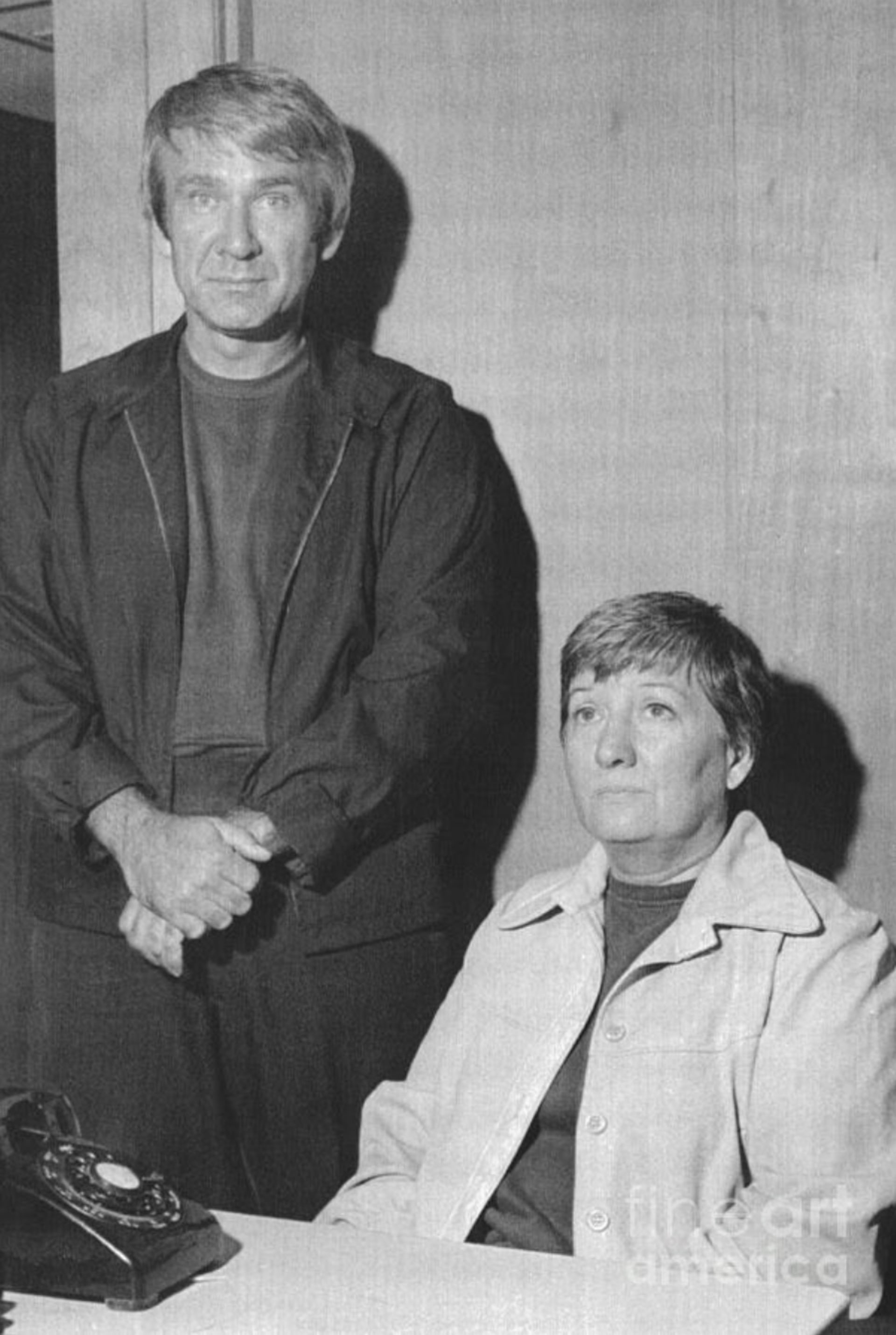
By mid 1974, Do and Ti consolidated the group’s belief system and started presenting themselves as having a biblical prophecy to fulfil, possessing superior intelligence and having to face death in order to be resurrected and live aboard an extraterrestrial spaceship. Their attempts of converting people during their travels failed miserably, as the duo was charged with credit card fraud for using Morgan’s credit card and Applewhite had even spent six months in jail in Missouri for a rental car he never returned.
In 1975, the two started organising meetings to assemble a “crew” ready to embark on a journey to a “higher evolutionary level.” Having been described as “charismatic leaders with an important spiritual message” by their members, Do and Ti successfully recruited around twenty-five people (Zeller 34). That same year, the pair sold all their materialistic possessions and vanished alongside a group of twenty other people who joined their congregation. Having around one hundred members by early 1976, Do and Ti led their followers on yet another tour of the U.S. and spent their days begging for money on the streets and sleeping in tents at night.
Before the group adopted the name by which it’s known today, Heaven’s Gate used to be known as the Human Individual Metamorphosis (HIM), Total Overcomers Anonymous or simply “the UFO group.” Ultimately, Do and Ti settled on “Heaven’s Gate” as Applewhite believed himself to be directly related to Jesus and his direct successor as a representative of Christ on Earth. Therefore, adopting a name evocative of Christianity further consolidated Applewhite’s role in the group.
Based on research conducted by Benjamin Zeller, an expert in religions on U.S. soil, the majority of members that joined Heaven’s Gate were interested in alternative religions and spiritual beliefs even before joining. Many dubbed themselves as “longtime truth-seekers” or “spiritual hippies” looking for a religious community outside of institutionalised faith. By 1976, the group reached around two hundred members which pushed Applewhite and Nettles to stop recruiting new members and, instead, become increasingly more isolated by imposing strict rules to those that had joined - no sexual activity between members, as well as between members and non-members, and no use of drugs (Zeller 41-42). Moreover, members discarded their government names and replaced them with a three letter single syllable, followed by the suffix -ody. This was done to further encourage the process of distancing from the members’ humanly form and embrace their higher incarnation.
After suffering for years and even losing an eye, Nettles died in 1985 in Parkland Memorial Hospital of cancer. Following her death, Applewhite begun preaching that Nettles’ death was her ascension to a level above human by boarding a UFO and continuing her life as a reborn extraterrestrial possessing superhuman intelligence, strength and immortality. Eventually, Nettles became, more than ever before, an aspiration - by discarding her “humanly vehicle” and swapping it for eternal life, she finally lived among beings of the same evolutionary and intellectual level as the members of Heaven’s Gate. And this is where the group’s eschatology begun changing.
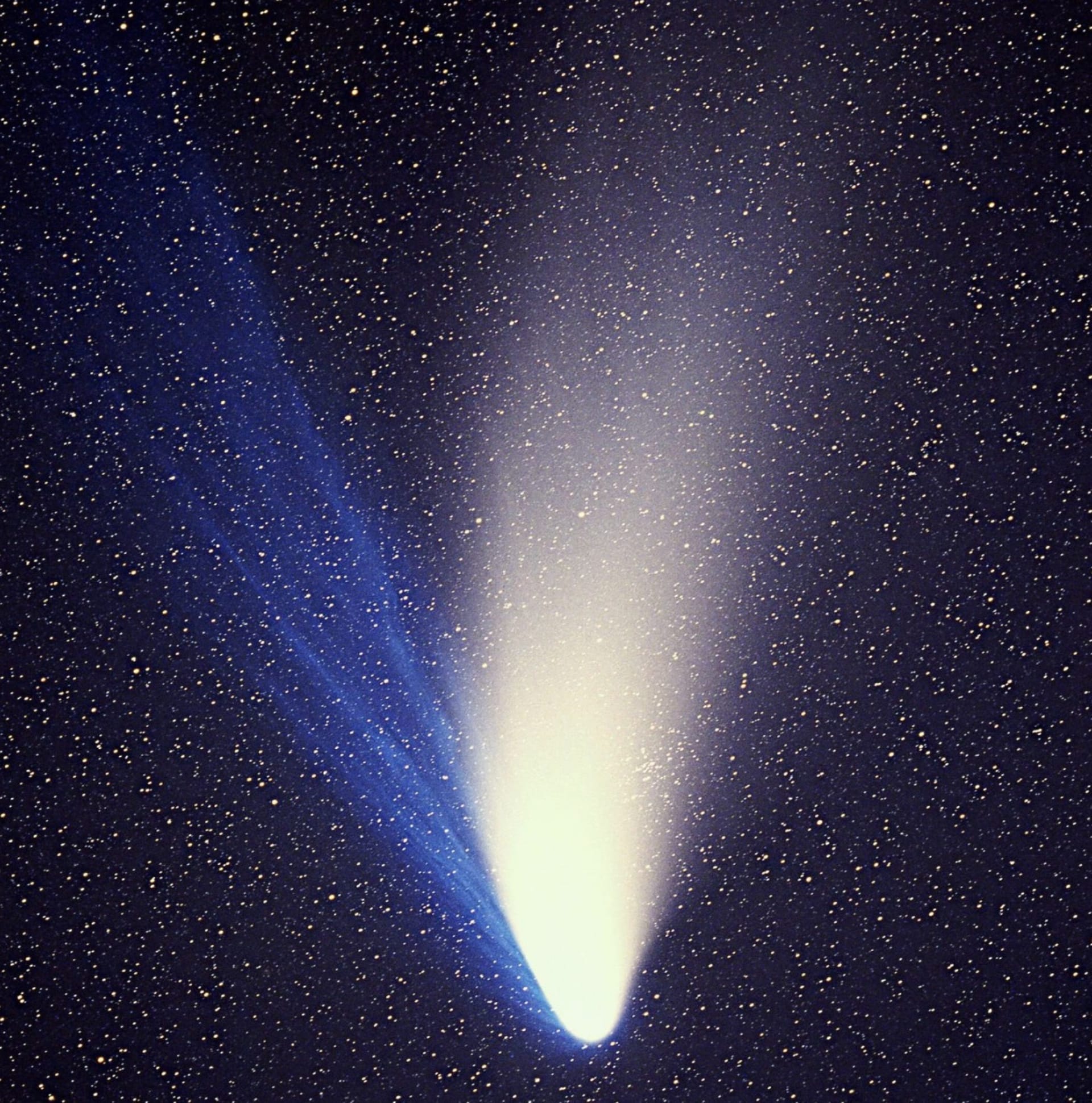
By the early 1990s, the group begun using astronomy to look for “signs” of their “exit.” They soon found one in the Comet Hale-Bopp, seen by members as “their ultimate salvation and ascent into the kingdom of heaven” (Feinberg). In October 1996, the group moved into “The Monastery,” a mansion in Rancho Santa Fe, California. When the media begun reporting of the comet’s sightings across the country in early March 1997, Applewhite encouraged the group members to record the “Students Final Exit Statements” in which they bid farewell to the humanly world and shared their joy of finally being able to “go home.”
The “exits” begun on March 22 and ended the next day. The members drank a mixture of phenobarbital, applesauce and vodka. Upon drinking the mixture, each member placed a bag over their head to cause asphyxiation. After a member died, a member awaiting their turn took off the bag, placed the deceased in their respective bed and covered them with a purple cloth. Furthermore, every member was dressed in the exact same way - a black shirt and sweatpants, never-worn-before black-and-white Nike Decades, and a wristband reading “Heaven’s Gate Away Team.” Applewhite died alongside his followers.
The media response following the discovery of the bodies was immense. Many critics of new religious movements dubbed the members of Heaven’s Gate as “brainwashed” and used the word as a social weapon against these emerging non-institutionalised religious groups. As stated by Benjamin Zeller in his 2014 book, “brainwashing offered a simple explanation for why people would engage in religious practices and accept religious beliefs that the majority of Americans consider bizarre or invalid” (Zeller 86).

The deceased members of Heaven’s Gate were utterly dehumanised and ridiculed following their death. Unlike the media response which mourned the immense loss of nearly one thousand people in the immediate aftermath of the Jonestown massacre, the media labeled Heaven’s Gate members as lunatics whose beliefs bordered schizophrenia and categorised them as “crazy, delusional, and better off dead” (Zeller 23).
Almost thirty years after their deaths, the legacy of Heaven’s Gate doesn't falter. Their website is still up and running, offering a look into the members’ final videos and granting individual assessments of the people who believed they were leaving their “temporary home” to join the eternal one. This is the exact reason why I think it’s important to read and educate oneself about groups and events like this - because not everything is what it seems to be. Instead of judging and using harsh words to separate ourselves from those who do not think like us, it could prove more useful to try and understand their point of view and actions. In the words of Benjamin Zeller: “to understand members’ actions, we need to look at the world through their eyes instead of our own” (Zeller 12). Listening and learning goes a longer way than dismissal ever does.


