

My beloved grandma was a huge fan of Western films. She became, if you will, somewhat of a Western connoisseur and contributed to my own appreciation of the genre. Around Christmastime every year, she’d become glued to the TV, fully invested in plots of Westerns she, at that point, already knew by heart. If I wasn’t being a menace, I’d join her watch party, sit next to her and ask her question after question to catch up on the plot; something I now miss dearly and cherish deeply. With time, I started researching more about the inspiration behind many of the films my nan loved so much. And that’s when I came across the tale of the Pony Express, filled with heroism, outrageousness and sheer bravery that puts to shame the plot of any adventure movie ever made.
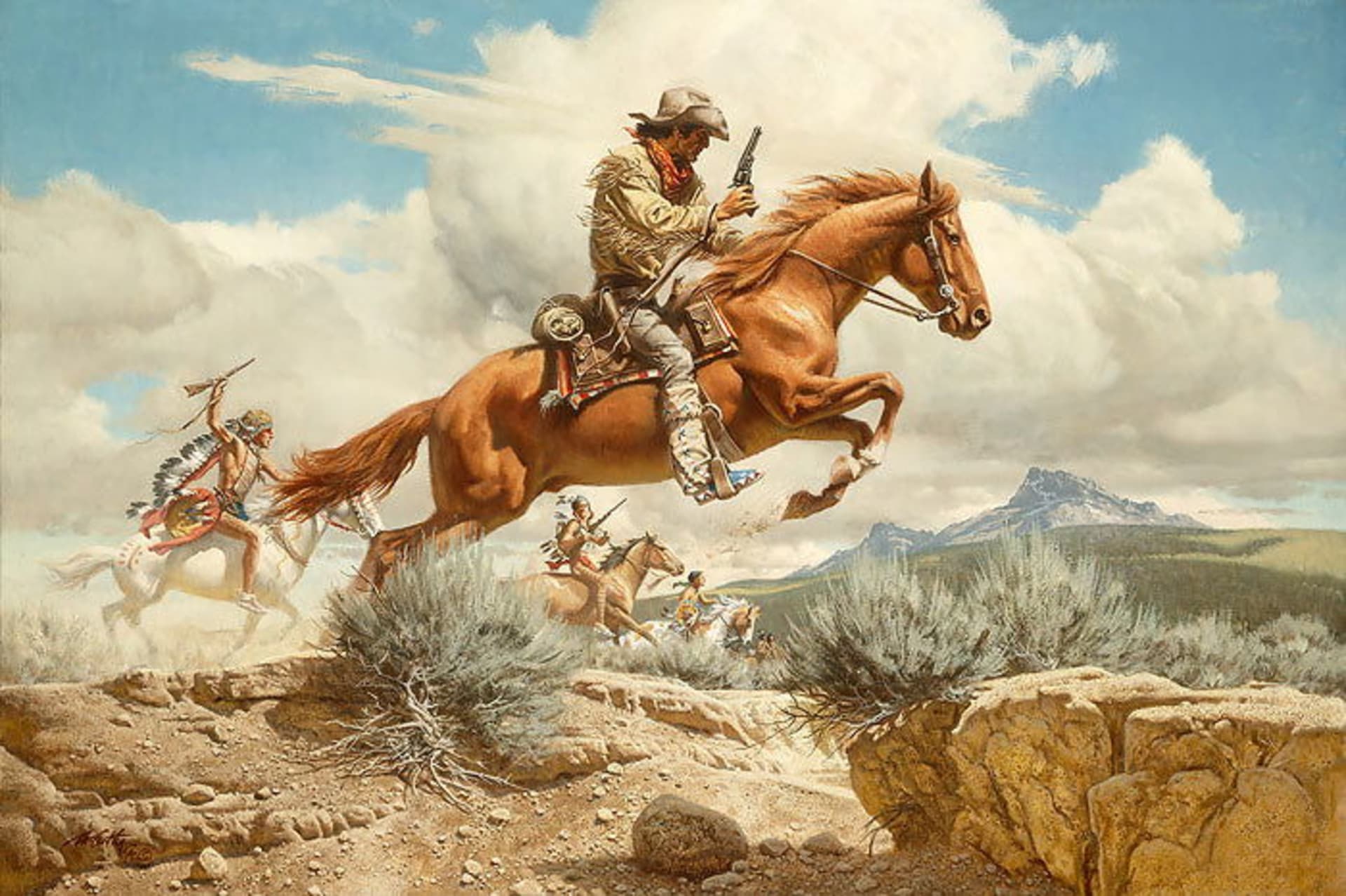
However, the story of the Pony Express isn’t only a story of courage and ingenuity in a pre-telegraph era of communication. It’s also a story of financial failure, bankruptcy, danger and uncertainty. It’s a tale of how, despite all this, the Pony Express had become a part of the pre-Civil War lore, a romanticised ideal of fearlessness, resilience and endurance of young riders that risked their lives to deliver mail from one end of the country to the other. It’s become a vital part of the Wild West mythology, something almost larger than life; a yearning and nostalgia for a bygone era.
Founded on April 3, 1860, in St. Joseph, MO, and run by the Central Overland California and Pikes Peak Express Company, the Pony Express was the fastest mail delivery service connecting the western and eastern U.S. before the implementation of the first transcontinental telegraph in 1861, reducing the travel time to about ten days. The idea was born out of a need for a fast mail route to the Pacific Coast following the California gold rush, which attracted a greater number of people to the newly admitted U.S. state in 1850.[1]

William Russell, Alexander Majors and William Bradford Waddell were visionaries. The founders, all entrepreneurs and businessmen, came up with the entire concept in two months: instead of stagecoaches, mounted riders would travel between St. Joseph, MO, and Sacramento, CA, taking a maximum of ten days to deliver the mail. Having assembled eighty riders, 184 stations, four hundred horses and hundreds of employees, the future of the Pony Express seemed bright, with Majors believing all hardships would be resolved by “the help of God”. So strong was his faith that he presented a Bible to every rider before their journey.[2]
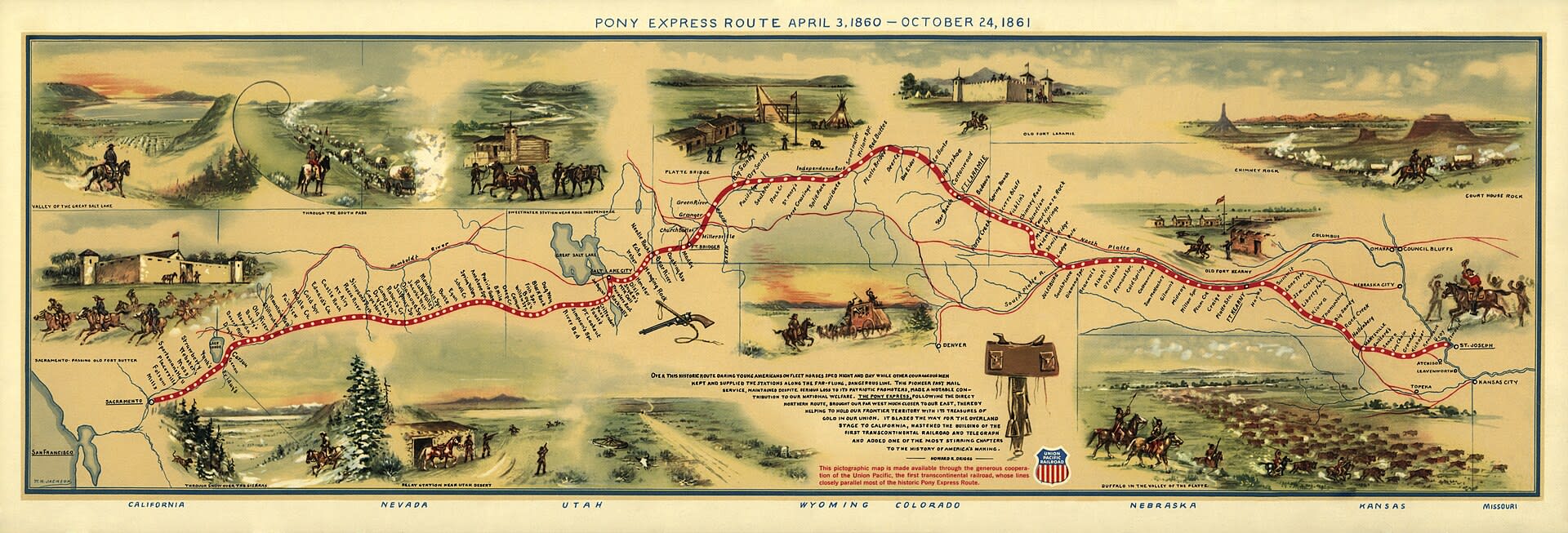
To get from St. Joseph to Sacramento, the riders, no heavier than fifty-seven kgs (125 pounds), would pass through present-day Kansas, Nebraska, Colorado, Wyoming, Utah, and Nevada, crossing the Great Plains, the Rocky Mountains, and the deserts of the American West - a 1,900-mile-long (3,100 km) route. Every ten to fifteen miles (sixteen to twenty-four kms), the riders would stop to change the horse, have a bite and rest, before continuing their journey. The riders were paid $125 (close to $5,000 today) a month for their work.[3]

The first west and eastbound mail deliveries reached their destinations exactly 166 years ago today, on April 14, 1860. The identity of the rider of the first westbound trip has been debated for a long time, with some claiming it was Billy Richardson, and others naming Johnny Fry, the twenty-year-old who died only three years later in battle. There are no doubts about the identity of the first eastbound rider: William “Sam” Hamilton made the historic journey from Sacramento to St. Joseph.[4]
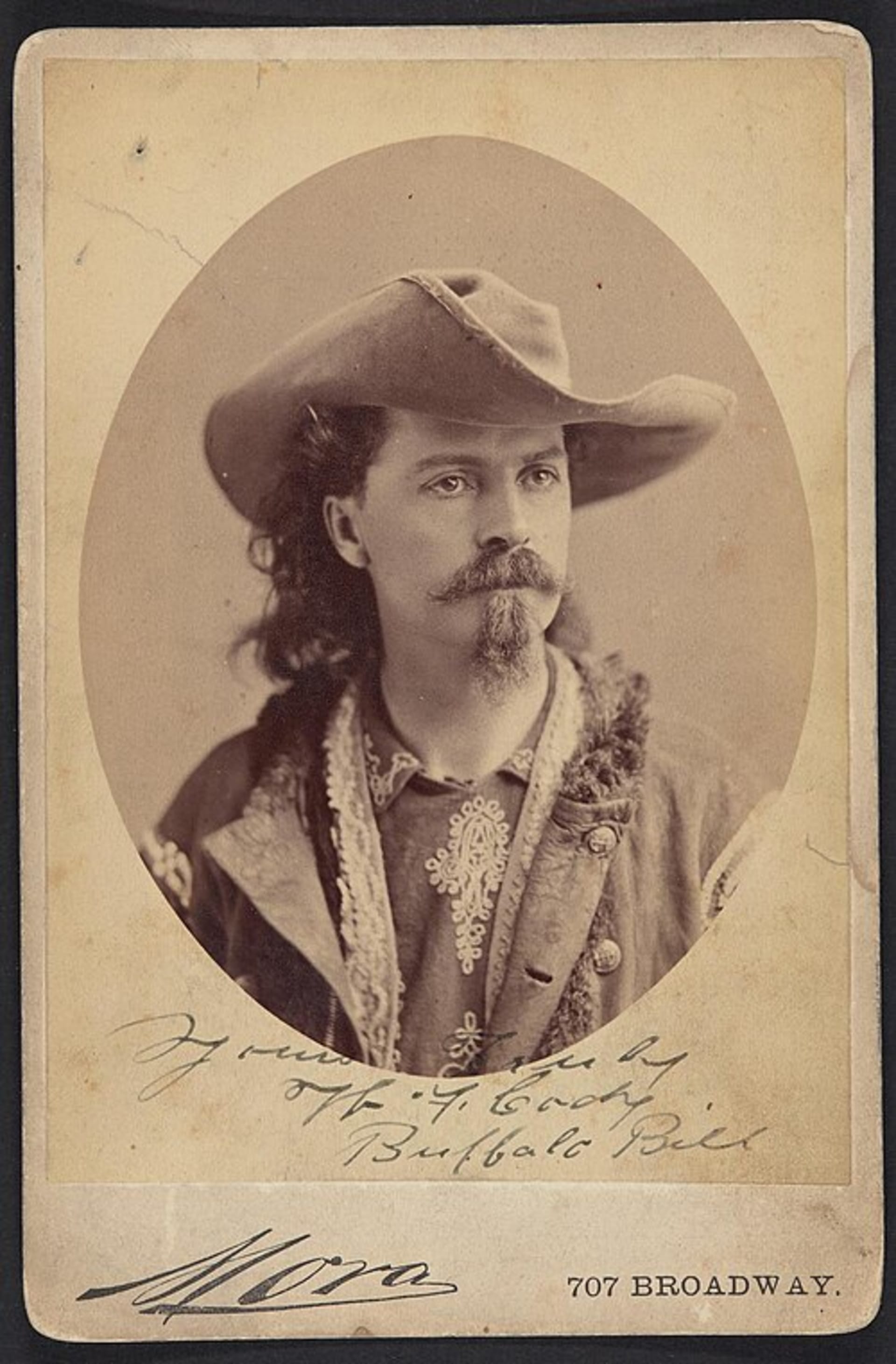
The riders and the hardships they faced became the core of the Pony Express myth. In fact, the fearlessness of these kids, these riders, that were mostly under the age of eighteen, was what contributed to the romanticisation of previous generations and times; an ideal to look up to. Perhaps there’s no better example of the Old West lorethan the case of William Cody, AKA “Buffalo Bill”. Cody became a rider at age fifteen and had, supposedly, made the longest nonstop ride of 322 miles (518 kms) in under twenty-two hours.[5]
What contributed, and still does, to this idealised tale of the Pony Express is the fact that many of the riders were, in more than one occasion, risking their lives by doing what they did. The Paiute War, a series of raids and ambushes conducted by the Paiute tribe as Americans expanded further into Nevada, seriously disrupted the service provided by the Pony Express. During the three-month war between May and August of 1860, seven stations were trashed, sixteen employees were killed and over 150 horses were stolen.[6] Riders like Buffalo Bill, Robert Haslam, Bart Riles and Billy Tate were chased by Paiute groups, had rocks thrown at them, and were pestered, in hopes that the death of a rider might inspire the Americans to retreat.
Maybe the Paiute War didn’t stop the service of the Pony Express, but financial struggles sure did. Due to the outbreak of the Civil War in April of 1861, the Pony Express was forced to run the mail only between Salt Lake, UT, and Sacramento, CA. This caused serious financial losses that only grew once the transcontinental telegraph was completed. On October 26, 1861, the Pony Express ceased to exist.
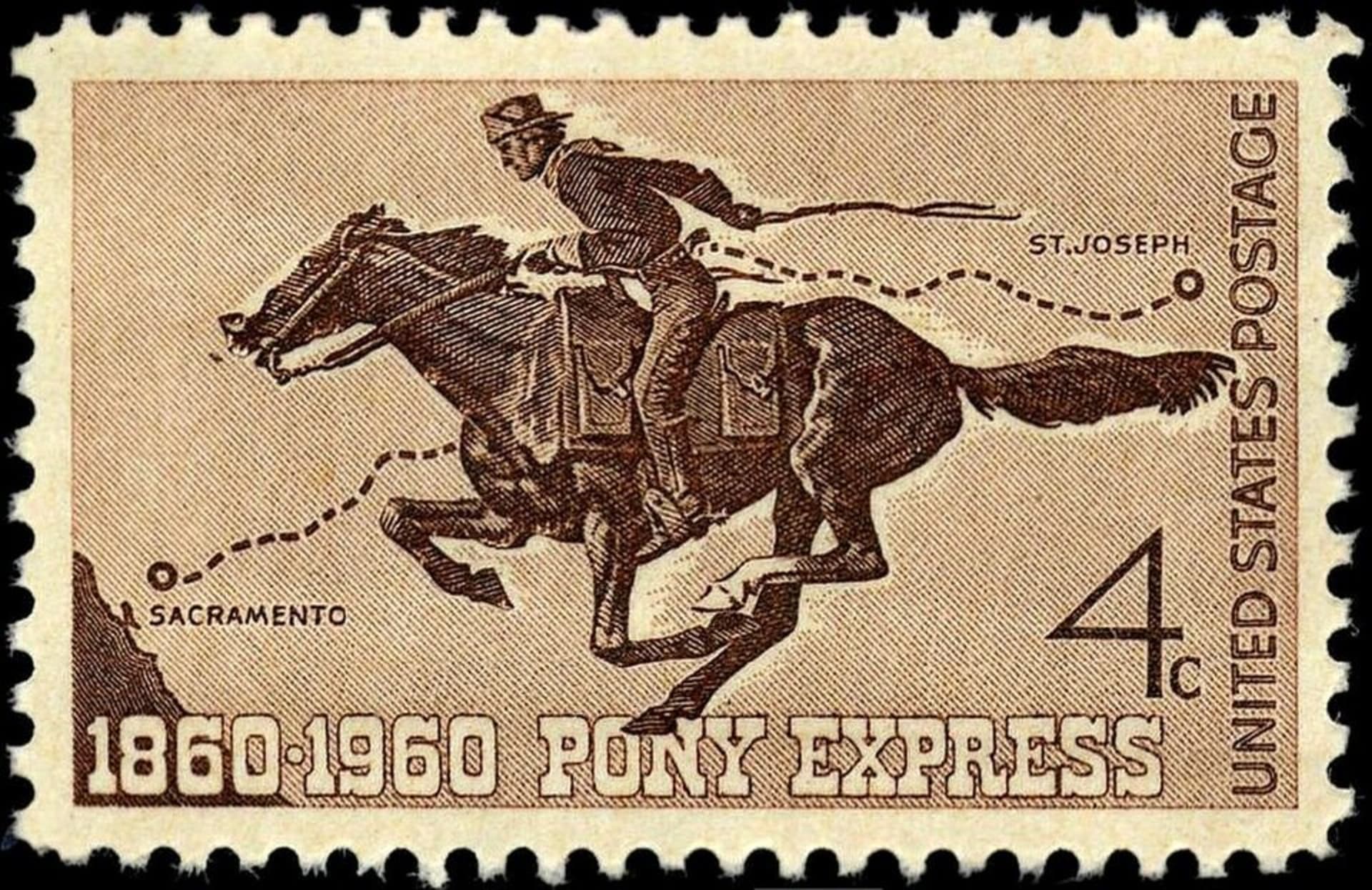
The fascination and interest in it sure hasn’t, however. Although the company went bankrupt, having grossed $90,000 and lost $200,000, what the Pony Express provided symbolically was far more valuable. See, the ingenuity of using mounted riders to deliver mail from one end of the country to the other represented conquering the distance and taming nature, bending it to one’s needs. The riders became heroes, soon being the centre piece of the “lone rider” archetype, representing the end of a romantic and noble era of horseback communication, soon to be replaced by modernity that couldn't recreate the same aura.
This bygone era of American history remains forever immortalised through Western movies, countless books, artworks and music that manage to inspire this surge of nostalgia for a period none of us around today have ever seen. We’re prone to idealising history in general, especially when our perception has been heavily influenced by the media we consume. The same can be said about the pre-Civil War era of U.S. history: it has been heavily romanticised and glorified because of temporal distance, because we’re far away enough from it to look at it with rose-coloured glasses.
The tale of the Pony Express is, no doubt, absolutely fascinating. But what’s even more fascinating is this undying myth created around it that still lives on, 166 years later. A company with a shelf life of only eighteen months became a symbol of courage, unity and total badassery that is yet to be emulated. And by god, I’d be lying if I said writing this article didn’t motivate me to get a horse and go on an epic journey. If you don’t hear from me soon, I'm delivering mail by horse.